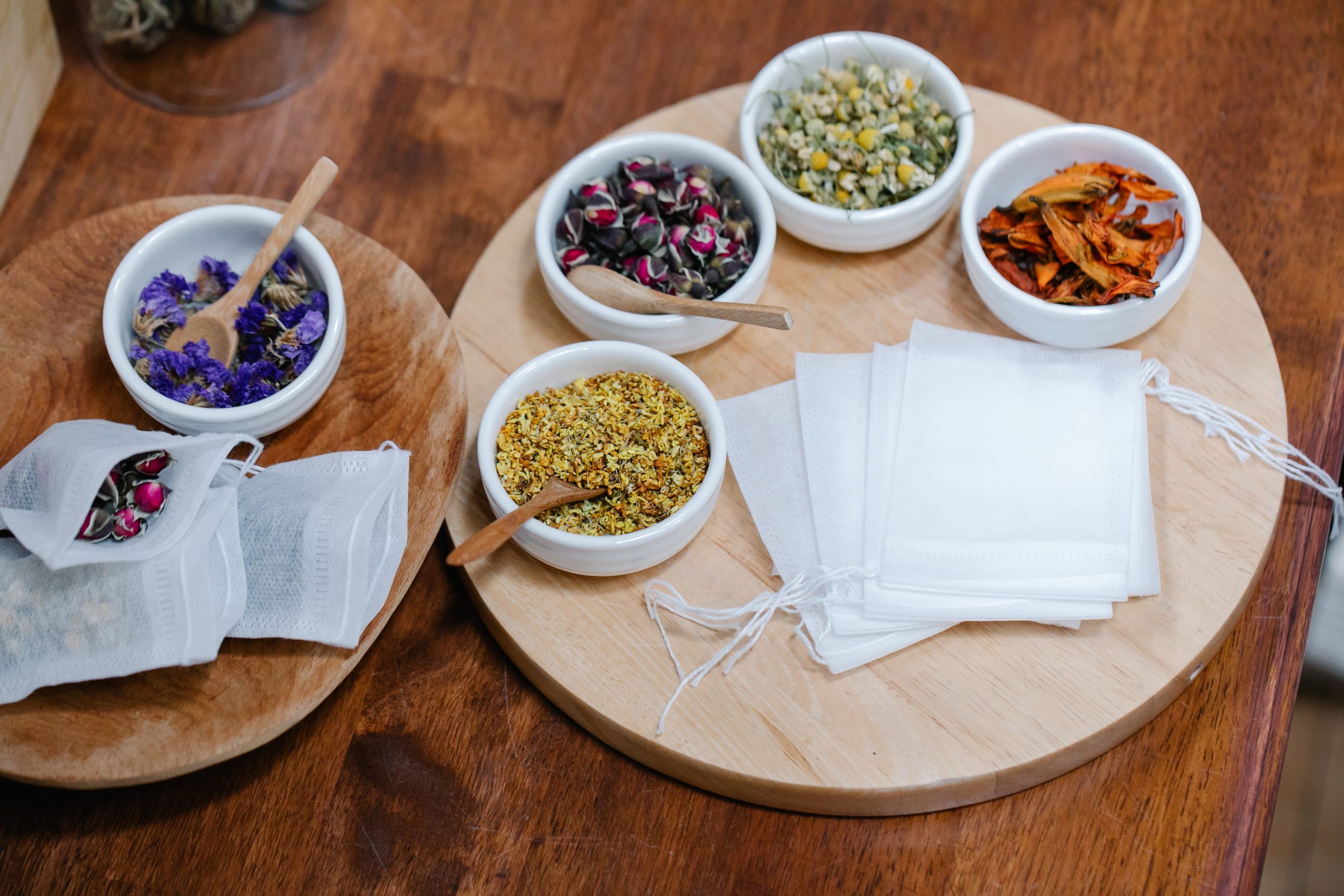
Tea culture
Tea Culture Around the World
Tea culture is very old in China. It dates back to the Pre-Qin period before 221 BCE and continued through the Eastern and Western Han dynasties (207 BCE to 189 CE). Its use was widespread, and tea was often mixed with millet or other condiments and boiled into a porridge-like drink.

Chinese tea culture
The Chinese tea culture is rich in history. In fact, it has been around for over 3,000 years. Its origins are tied to Shennong Shi, the first herbal physician in China. He learned about the benefits of tea while traveling high in the mountains.
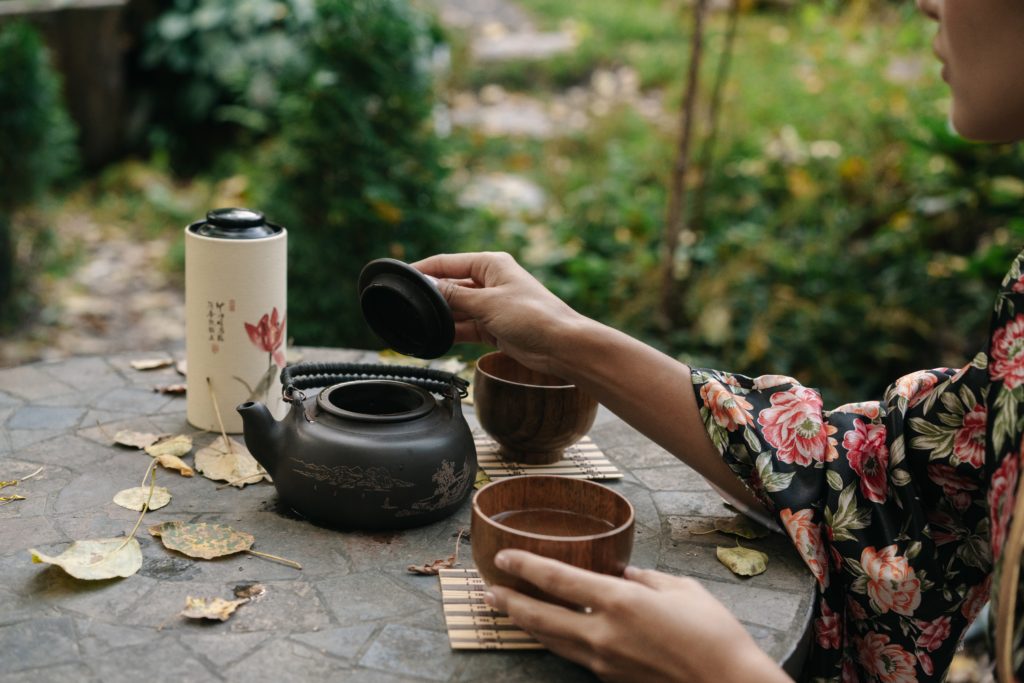
Japanese tea culture
Japanese tea culture has long been associated with a special ceremony involving the presentation of matcha (green tea) and its preparation, called temae. While Westerners typically refer to this procedure as a “tea ceremony,” it is rarely that formal.
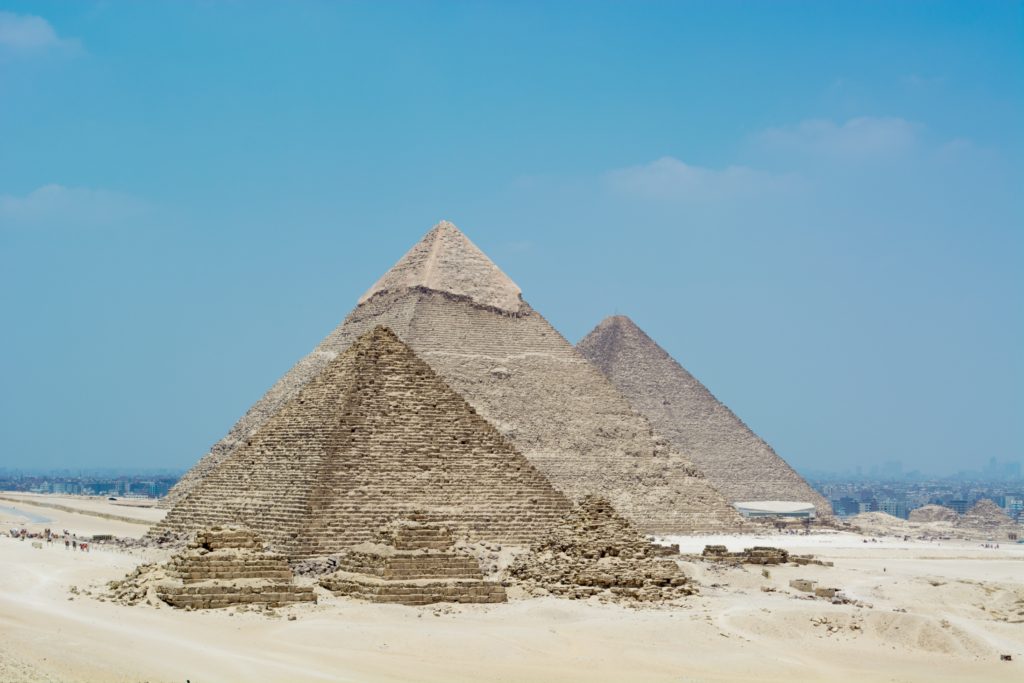
Egyptian tea culture
Egyptian tea is popular in the Northern and Lower Egypt regions. It is sweetened with cane sugar and is often served with milk and fresh mint. It is light in taste but can be very bitter.
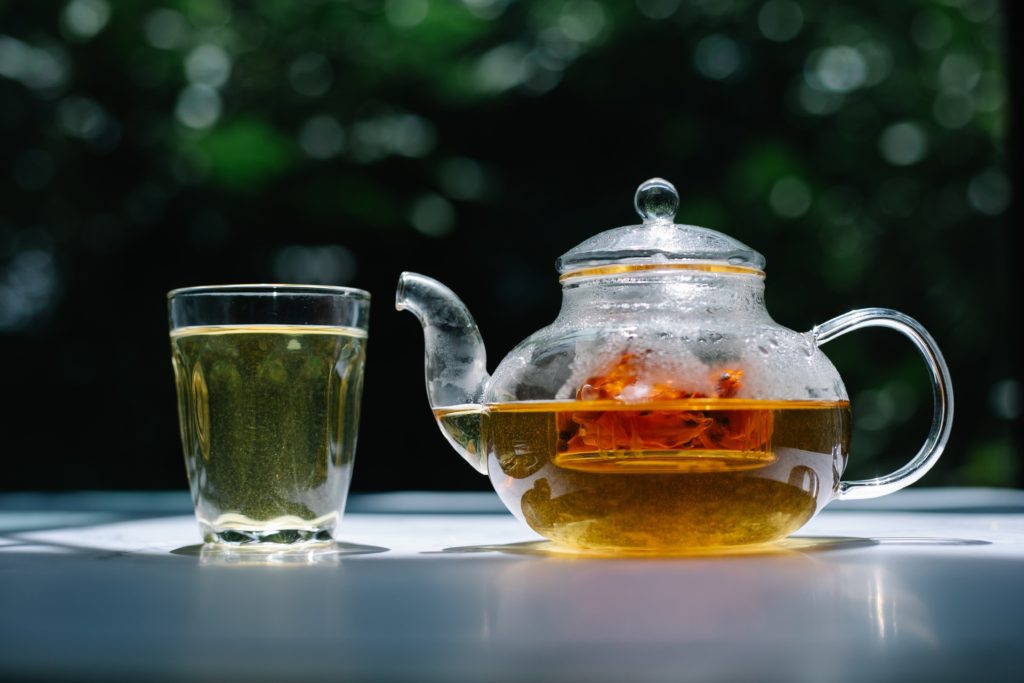
Taiwanese tea culture
The Taiwanese tea culture combines traditional tea ceremonies, tea arts, and social aspects of tea consumption in Taiwan. These cultures share roots with the tea culture of China and feature many classical arts.
British tea culture
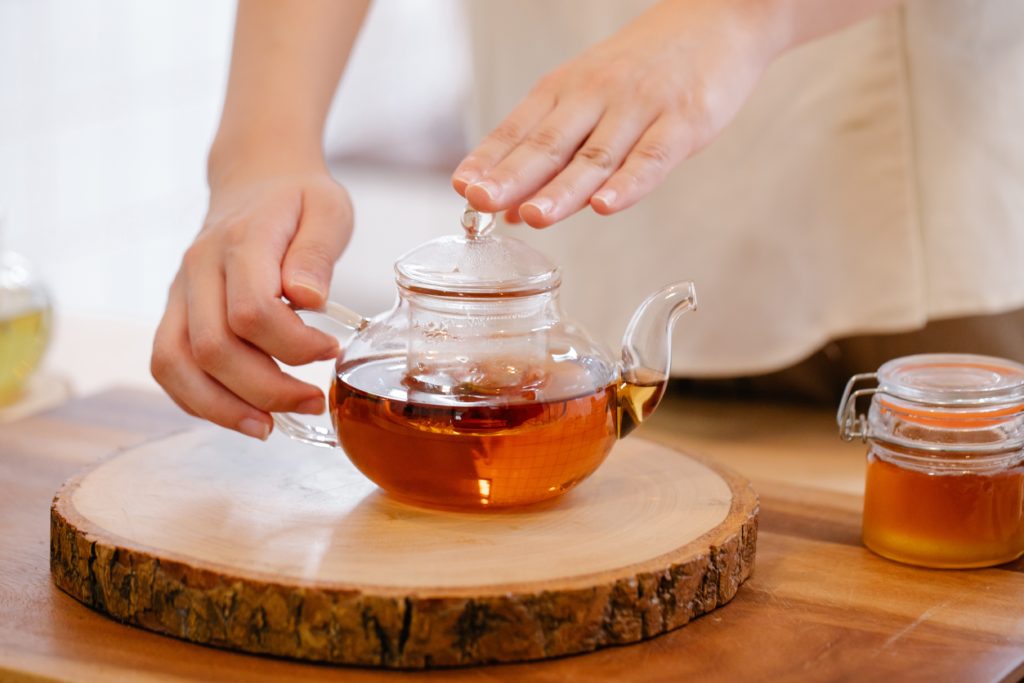
The British tea culture is deeply ingrained in the way we live our lives. From the humble tea break in the office to the elaborate afternoon tea served in swanky London hotels, drinking tea is a British tradition. The drink’s complex taste comes from many different molecules, and the way it is prepared can tell us a lot about a person.
Turkish tea culture
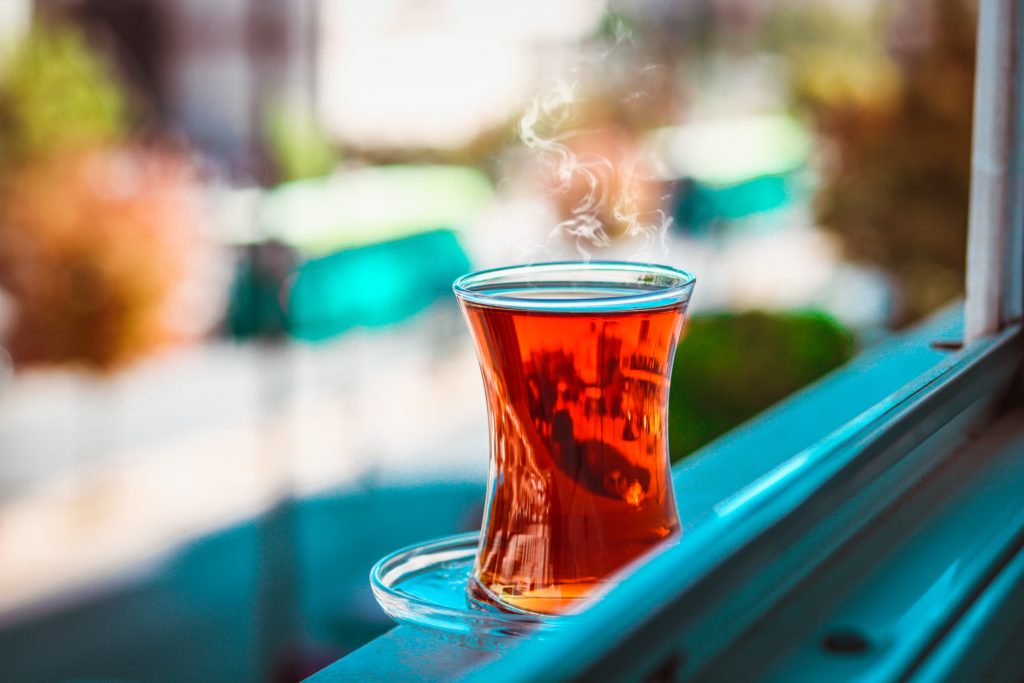
The Turkish people are among the world’s highest per capita consumers of tea. On average, they consume 1,000 cups a year. This high consumption rate is attributable to a number of factors including social customs, traditions, and domestic production along the Eastern Black Sea coast.
Leave a Reply