
Flowering tea
Flowering tea is made with dried tea leaves wrapped around dried flowers. They are bound together and allowed to dry for a period of time before brewing. This type of tea has a sedative effect and is often used as a relaxing beverage. Flowering teas are also easy to prepare and can be a good choice for those who are new to tea.
Claude Monet’s paintings are based on flowering teas
Flowering teas have been a subject of Claude Monet’s paintings for years. The famous French Impressionist used the sky and earth as his canvas for his paintings and planted various plants to get the desired effect. He also liked to use certain colors and harmonies. Some of his favorite combinations are hot and cool. He often incorporated new colors from nature into his garden, such as the blue, pink, and white that he discovered on the Cote d’Azur during his visits.
While he was painting, Monet was also interested in the ephemeral qualities of light and shade. Many of his paintings were created in series. The first such series was the Valley of the Creuse, which contains ten different paintings that Monet worked on simultaneously. His famous series of water lily pictures also feature flowers.
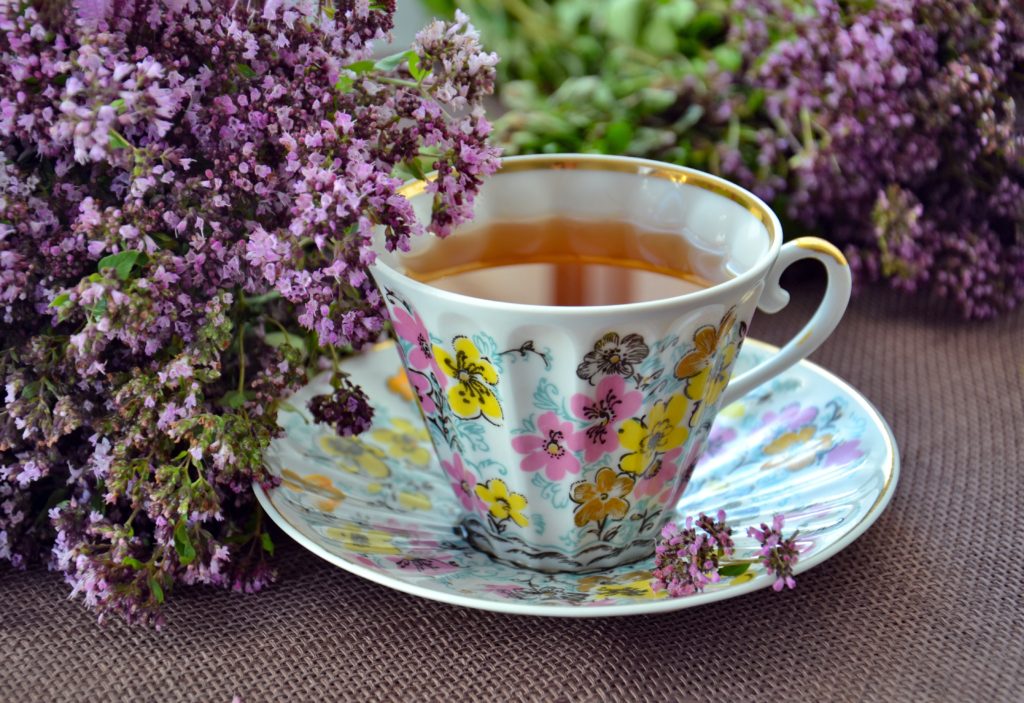
Flowering teas have a sedative effect
Flowering teas are a class of tea that has a sedative effect. Flowering teas are made from dried flower buds and blossoms that are infused with hot water. The dried buds and blossoms are then rolled into tight balls and dried. When exposed to the hot water, the blossoms “blossom.” The resulting tea has many health benefits.
Flowering teas are made from fresh or dried flowers of St. John’s Wort. The flowers are steeped in water for four to ten minutes. The flowers’ scent is known to be calming and may help with insomnia. Flowering teas can also be used to relieve anxiety.
They are easy to brew
Flowering teas have been brewed for centuries. While they were originally made only for emperors, modern technology has helped them become more popular. Today, they are still made by hand in China using the highest quality leaves. These teas are a great way to spice up your teatime.
The key to brewing flowering teas is to keep the water temperature below boiling. This will prevent the tea from becoming bitter when brewed too long. Flowering teas should be steeped for a minimum of two minutes. You do not need to add milk or sugar. After brewing, flowering teas can be displayed for up to three days.
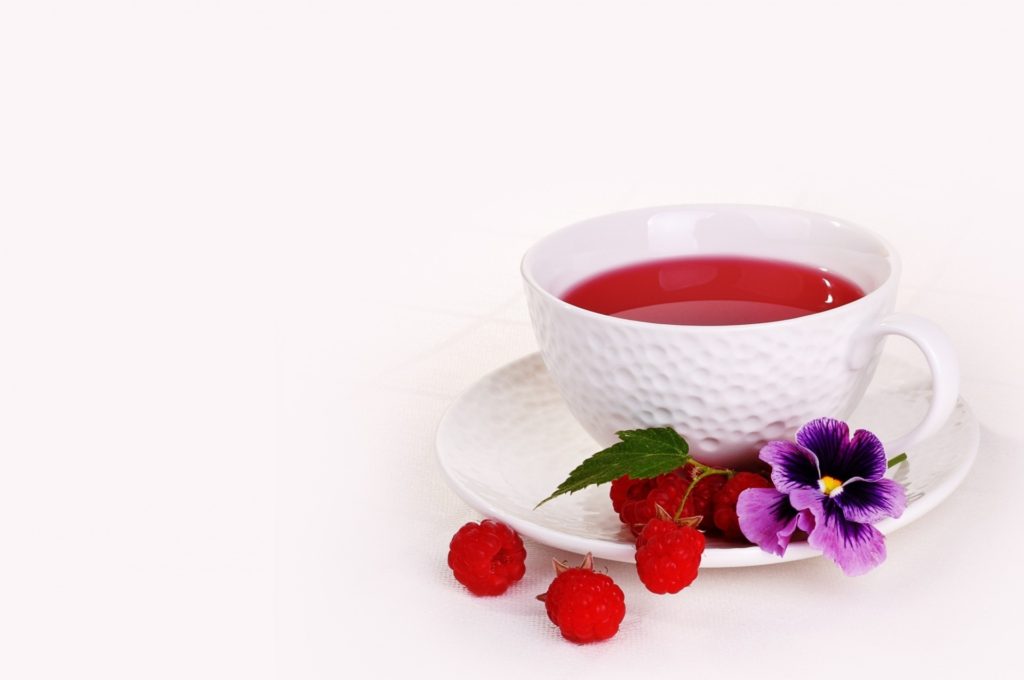
They are a good option for those new to tea
Flowering teas are delicious and aesthetically pleasing. They are also good for you. Not only do they help you lose a few inches, but they can also prevent heart disease and cancer. As a bonus, they also boost your immune system. However, if you have any medical conditions or are concerned about allergic reactions, you should consult a medical professional first.
Flowering teas come in a variety of styles. The most common is the jasmine variety. This variety is made by infusing dried jasmine blossoms with hot water. These are then rolled into balls to dry. Once exposed to hot water, the dried blossoms “blossom” and form a delicate beverage. Flowering teas are popular with both tea drinkers and tea enthusiasts due to their many health benefits.
They can cause side effects
While flowering teas have many benefits, there are also risks associated with them. Some varieties, such as Jasmine, may cause contact dermatitis and may cause sneezing or respiratory distress in those who are allergic. Some flowering teas can also cause eye irritation or mouth irritation. For this reason, they should be consumed only after consulting with a physician.
Flowering teas are generally safe, although pregnant women and those with a history of caffeine-induced side effects should avoid drinking them. If you’re not sure, you should consult an herbalist or health practitioner for advice on the appropriate dosage. However, in general, real teas made from the Camellia sinensis plant are considered safe for drinking. To avoid experiencing any unpleasant side effects, you should read about the tea’s side effects to make an informed decision.
Leave a Reply